State Leaders Are Pushing Back Against ICE—and Protecting Their Communities
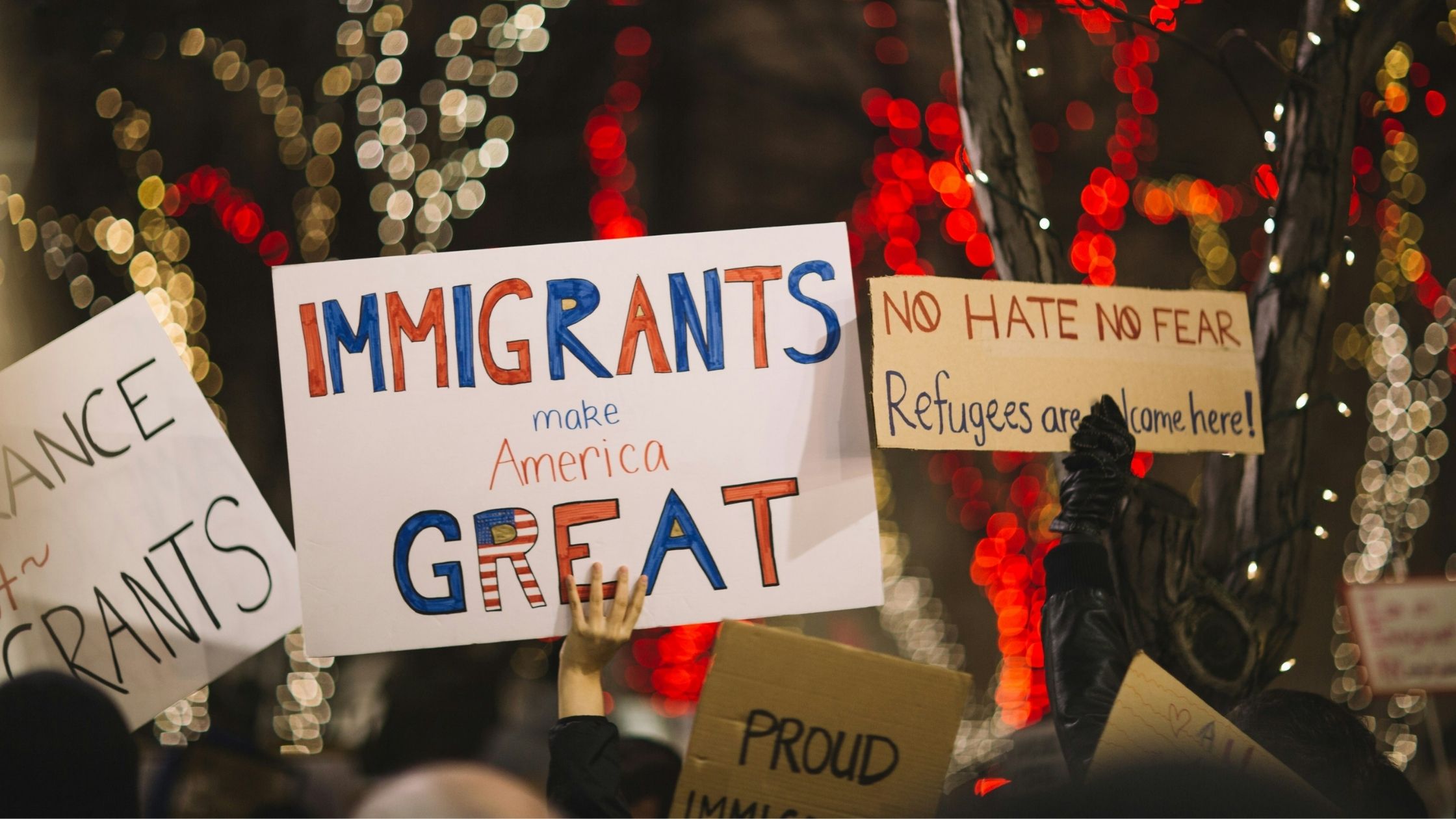
As Immigration and Customs Enforcement (ICE) escalates attacks on immigrant communities across the country, state lawmakers are stepping up to defend due process, civil liberties, and community safety.
Across states, legislators are advancing proactive policies that limit ICE overreach, protect sensitive spaces and personal data, and hold federal agents accountable when constitutional rights are violated. These efforts make clear that states are not powerless—and that state leadership matters deeply in moments like this.
This resource compiles key policy approaches already moving or enacted at the state level. These examples are intended to support lawmakers seeking concrete, community-informed tools to better protect their constituents. As always, it is imperative to work directly with state and local immigrant justice organizers and immigrant-led organizations to ensure policy solutions reflect real community needs.
Policy Tools States Are Using to Protect Immigrant Communities
No Secret Police: Law Enforcement Masking and Identification
States are acting to ensure transparency and accountability in law enforcement by prohibiting officers, including federal agents, from concealing their identities while carrying out official duties.
These policies help prevent abuses of power, protect public trust, and ensure that individuals can identify officers involved in enforcement actions.
Protected Spaces from ICE
Multiple states are advancing policies that limit ICE access to essential community spaces, workplaces, and services—recognizing that fear of enforcement should never prevent people from accessing education, healthcare, or justice.
Examples include legislation introduced in:
These policies restrict ICE presence in places such as schools, day cares, health facilities, courts, libraries, religious institutions, and shelters.
Cutting ICE Contracts with Law Enforcement
States are also limiting or prohibiting collaboration between local law enforcement and federal immigration enforcement.
These approaches reduce state and local entanglement in federal immigration enforcement while signaling clear values around human rights and accountability.
Protecting People’s Data from ICE Access
States are taking action to protect residents’ personal information from being shared with ICE by government agencies that necessarily store sensitive data.
Data protection policies are a critical safeguard, particularly as surveillance and data-sharing increasingly drive immigration enforcement.
Empowering People to Sue ICE Agents
Several states are creating pathways for individuals to seek justice when federal agents violate constitutional rights.
States including New York, New Jersey, Maine, Massachusetts, California, and Oregon have enacted or introduced laws allowing people to sue federal agents for civil rights violations.
These policies have seen mixed court outcomes:
Because legal landscapes vary, lawmakers should consult immigrant justice organizers and legal experts when evaluating or advancing these approaches.
Using These Tools in Your State
These examples demonstrate the range of actions states can take to protect immigrant communities, defend due process, and push back against federal overreach. They are most effective when developed in partnership with impacted communities and movement leaders on the ground.
For further resources on policy design, constituent services, and essential tools state policymakers can leverage, we encourage you to explore:
If you are seeking technical assistance, policy support, or connections to lawmakers and advocates working on similar efforts, SiX is here to help. Please reach out to our team to learn more.